


More from
On the Ballot (click to expand)
2025 Election Spotlight
Ep. 198: NYC Mayoral (D) Primary • Ep. 196: Ciattarelli vs Sherrill matchup set for NJ Gov. • Ep. 189: Virginia
Elections Showcase (Pt. 1) • Ep. 180: April 1st Election Results • Ep. 171: Majority at stake in WI Supreme Court election • Ep. 168: NJ + VA governor's race preview (2025) • Ep. 161: How we'll cover local elections in '25
Federal
Ep. 210: Texas Redistricting Battle Spreads Nationwide • Ep. 201: SCOTUS Decision Recap • Ep. 197: The ABA's historical role in vetting federal judicial nominations • Ep. 195: Constitutional Scholar Sai Prakash on the Evolution of Presidential Power • Ep. 193: Checking in on Congressional retirements/departures • Ep. 190: Reconciliation + Congress negotiating to pass Trump's budget bill • Ep. 186: Trump makes first judicial nomination • Ep. 184: Why do some states report election results faster than others? • Ep. 176: What happens if the federal government shuts down? • Ep. 166: DOGE and Clinton's effort to 'reinvent government' in the 90s
State
Ep. 202: DC's unprecedented special election • Ep. 185: How we find local election info • Ep. 183: Ohio's Parents Bill of Rights • Ep. 179: Schimel vs Crawford for WI SC • Ep. 178: Spring election legislation report • Ep. 175: Universal school choice in rural America, Part 1 • Ep. 174: Vernon, Indiana's only charter-governed town • Ep. 169: Incumbents defeated in 2024 state level races • Ep. 167: Legislatively referred constitutional amendments in VA • Ep. 164: How State legislatures could change election laws in 2205
Ballot Measures
Ep. 181: English is already the Official Language in 30 states • Ep. 173: WI: Voter ID + Considering the citizen initiative • Ep. 160: History of Citizen Initiatives (Special) • Ep. 150: 2024 Ballot measure results • Ep. 145: Top 15 ballot measures and trends to watch • Ep. 140: Are ballot measures getting less or more complicated? • Ep. 136: Bans on noncitizen voting coming to 8 more states? • Ep. 135: RCV’s big year at the ballot box • Ep. 130: Marijuana ballot measures and federally rescheduling the drug
External Interviews
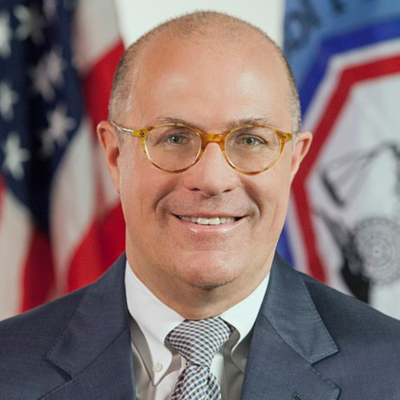
Ep. 194: House 'sorting' w/ Kyle Kondik • Ep. 192: Georgetown's Marguerite Roza on school budget season • Ep. 187: Former CFTC Chairman Chris Giancarlo on Crypto Policy • Ep. 154: Joshua Spivak on '24's recall landscape • Ep. 152: Scott Rasmussen’s perspective on polling in the 2024 election cycle • Ep. 147: Early voting with Michael McDonald • Ep. 142: Former Secretaries of State on the challenges of election administration • Ep. 139: Shortlist of tight Senate races with The Cook Political Report • Ep. 138: The closest House races with The Cook Political Report • Ep. 137: How abortion politics could impact the tightest races • Ep. 136: Bans on noncitizen voting coming to 8 more states? • Ep. 133: Gubernatorial races to watch • Ep 131: Swing state presidential polling update with Split Ticket • Ep. 130: Marijuana ballot measures and federally rescheduling the drug
Historical Ballot Measures Factbooks
BP's 'Explained'
Office Hours with Leslie Graves, Ballotpedia Founder and CEO
Tools and Resources
Past Elections
Ep. 159: Why are there so many uncontested local elections? • Ep. 158: Filling vacancies created by Trump appointments • Ep. 157: Split ticketing voting's impact on '24's tightest races • Ep. 156: Why do recounts happen? • Ep. 155: State government trifectas heading into '25 • Ep. 153: Republicans win House, delivering Trump federal trifecta • Ep. 151: Trump widens margin of victor in most pivot counties • Ep. 149: 2024 state-level results • Ep. 148: Election night roundup • Ep. 147: Early voting with Michael McDonald • Ep. 146: Top 15 Elections to watch • Ep. 139: Shortlist of tight Senate races with The Cook Political Report • Ep. 138: The closest House races with The Cook Political Report • Ep. 134: VP Debate Recap • Ep. 133: Gubernatorial races to watch • Ep. 131: Swing state presidential polling update with Split Ticket