Angela D. Galloway (Marlboro County School District school board, District 4, South Carolina, candidate 2024)
 |
U.S. House • State Senate • State House • Special state legislative • State ballot measures • Local ballot measures • School boards • All other local • How to run for office |
 |

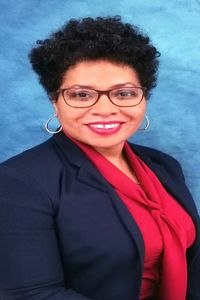
Angela D. Galloway ran for election to the Marlboro County School District school board to represent District 4 in South Carolina. Galloway was on the ballot in the general election on November 5, 2024.[source]
Galloway completed Ballotpedia's Candidate Connection survey in 2024. Click here to read the survey answers.
[1]Biography
Angela D. Galloway provided the following biographical information via Ballotpedia's Candidate Connection survey on October 22, 2024:
- High school: Marlboro County High School
- Bachelor's: South Carolina State University, 2002
- Graduate: American Public University, 2013
- Profession: Community Outreach
- Incumbent officeholder: No
- Campaign slogan: My campaign slogan is "Experience You Can Trust, Championing Education They Deserve."
- Campaign website
- Campaign Instagram
- Campaign YouTube
- Campaign YouTube video
Elections
General election
General election for Marlboro County School District school board, District 4
Angela D. Galloway and Asiya Jones ran in the general election for Marlboro County School District school board, District 4 on November 5, 2024.
Candidate | ||
 | Angela D. Galloway (Nonpartisan)  | |
| Asiya Jones (Nonpartisan) | ||

| ||||
| = candidate completed the Ballotpedia Candidate Connection survey. | ||||
| If you are a candidate and would like to tell readers and voters more about why they should vote for you, complete the Ballotpedia Candidate Connection Survey. | ||||
Election results
Endorsements
Ballotpedia did not identify endorsements for Galloway in this election.
Campaign themes
Ballotpedia survey responses
See also: Ballotpedia's Candidate Connection

Angela D. Galloway completed Ballotpedia's Candidate Connection survey in 2024. The survey questions appear in bold and are followed by Galloway's responses.
| Collapse all
As an aunt turned caretaker, I understand the challenges of raising a child and the need for guidance and support. I am committed to serving the whole child while uplifting the adults who nurture them.
I am a problem solver and a disruptor of the status quo, always seeking innovative solutions to tackle challenges in education and the community. I also recognize the importance of supporting educators—not just in the classroom but through professional development and career advancement. I believe in uplifting everyone who contributes to our schools, from bus drivers to custodians, because it takes a village to raise a child.
I am running to bridge the gap between our community and schools, ensuring that every child has the resources to thrive and every educator is empowered. Together, we can create an environment where our youth grow into responsible, caring citizens.- Building a Village for Our Youth, Parents, and Teachers -As a candidate for District 4, I am committed to creating a strong support system that ensures our youth, parents/guardians, and teachers have the resources and guidance they need to thrive. My experience of over 20 years working with families and youth equips me to understand and address their unique challenges.
- A Voice for Every Child: Prioritizing Education and Community Impact -I believe that a strong education system is essential to our community's success. I will work to ensure that every child has access to quality education, support for soft skills development, and mental health resources. Together, we can foster academic excellence and build a foundation for lifelong success.
- Supporting Families and Strengthening Communities -As an aunt turned caretaker, I know the concerns families face firsthand. My campaign is focused on supporting families through resources, community initiatives like Families and Schools Together (FAST), 4-H youth development, mentorship, and scholarships that reduce financial burdens. Let's create a future where families are empowered, not overwhelmed.
- Parental Engagement & Support: Strengthen parental involvement programs that encourage a collaborative relationship between families and schools.
- Teacher Retention & Professional Development: Implement policies that focus on teacher retention, recruitment, and professional growth opportunities.
- Equitable Resource Distribution: Ensure that all schools within the district receive equitable resources.
- Career and Technical Education (CTE) Expansion: Expand career and technical education (CTE) programs to prepare students for high-demand jobs in the local and global workforce.
I also recommend watching Dr. Nadine Burke Harris's interviews and TED Talks, which provide valuable insights into the effects of ACEs on health and development, emphasizing the need for early intervention and integration of health and education systems.
As a guardian, I've integrated key resources into my daily routine. One is "How to Talk So Your Kids Will Listen and Listen So Kids Will Talk," which underscores effective communication between parents/guardians and children for promoting academic success and emotional well-being. Providing parents with tools for meaningful conversations can strengthen family dynamics and support networks.
Another resource, "The 5 Love Languages of Teenagers," emphasizes the importance of understanding teenagers' love languages to help parents, guardians, and educators connect better with youth. Recognizing each student's unique emotional needs fosters an environment where teens feel understood and supported.
An elected official must prioritize the needs of the community, acting as a voice for all, especially the youth, parents, and educators. My platform emphasizes building a village, which requires leaders who listen to their constituents and work collaboratively to strengthen the fabric of the community.
Integrity and Transparency
Honesty, accountability, and open communication are key principles in earning and maintaining public trust. Being transparent in decision-making and prioritizing what is best for students, families, and teachers aligns with your goal of creating a more supportive educational environment.
Advocacy for Equity
Elected officials should work to ensure fairness, advocating for equal access to resources and opportunities for all students, regardless of their background. My focus on equitable resource distribution and supporting underserved areas within the district highlights the importance of fighting for equity in education.
Collaborative Problem-Solving
A successful leader works collaboratively with various stakeholders, including teachers, parents/guardians, and community organizations, to find effective solutions. My platform stresses partnerships with youth programs, mental health services, and community organizations. This principle is crucial for fostering strong networks and delivering impactful change.
Commitment to Growth and Education
Continuous learning and personal growth are essential, as well as a dedication to improving educational outcomes for all students. My background in public administration and human resources, along with your focus on teacher retention and professional development, shows my belief in investing in growth—for myself, teachers, and students.
Compassion and Empathy
1. Strong Communication Skills: My ability to communicate effectively with diverse groups enables me to engage with parents, teachers, students, and community members. I value open dialogue and believe it fosters trust and collaboration, ensuring everyone’s voice is heard.
2. Empathy and Understanding: My experience working with youth and families has given me a deep understanding of the challenges they face. I approach each situation with empathy, which allows me to advocate for policies that genuinely address the needs of our community.
3. Commitment to Equity and Inclusion: I am dedicated to creating an educational environment where every student feels valued and supported. I prioritize initiatives that promote diversity and inclusion, ensuring that all voices are represented in decision-making processes.
4. Problem-Solving Mindset: I approach challenges with a solutions-oriented mindset. I am willing to listen, gather input from various stakeholders, and collaborate to find innovative solutions that benefit our students and schools.
5. Strong Leadership Skills: I possess the ability to inspire and motivate others. As a member of the school board, I will work to unify our district around a shared vision, empowering educators and staff to excel in their roles.
6. Accountability and Integrity: I believe in holding myself and others accountable. Transparency and ethical decision-making are paramount to building trust within the community and ensuring that we are serving our students' best interests.
7. Adaptability: In an ever-changing educational landscape, I can adapt to new challenges and circumstances. I embrace continuous learning and am open to adjusting strategies to meet the evolving needs of our district.
Prioritize the needs and well-being of students and their families in all decision-making processes.
Ensuring Educational Equity
Work to eliminate disparities in educational resources and opportunities among schools, ensuring that all students have access to quality education regardless of their background.
Promoting Community Engagement
Actively engage with parents, teachers, students, and community organizations to gather input, foster collaboration, and build trust within the community.
Overseeing Budget and Resource Allocation
Ensure that the district’s budget is aligned with its educational priorities, advocating for adequate funding and responsible spending to enhance student learning.
Supporting Teacher Development and Retention
Advocate for policies that support ongoing professional development for educators and foster a positive work environment to retain high-quality teachers.
Promoting a Safe and Healthy Learning Environment
Ensure that policies and practices are in place to create a safe, inclusive, and healthy school environment for all students and staff.
Engaging in Continuous Learning and Improvement
In the wake of his election, I organized interviews with several generations of local Marlboro County residents, asking them about their memories of Dr. Martin Luther King Jr.'s assassination and the moment President Obama won the 2008 election. When I inquired whether they ever thought they would witness such history, many, depending on their generation, responded with a heartfelt, "no." This was a historical moment for the World!
There is more that I require of thee
Will your heart and soul say yes?
Will your Spirit still say yes?
If I told you what I really need from thee,
Will your heart and soul say yes?
In addition to my advocacy work, I have been adjusting to the loss of my co-guardian teammate, my mother, while caring for my two youngest nephews. Balancing life, work, and grief has been a constant challenge, as I navigate not only my own trauma but also the emotional upheaval my nephews are experiencing. I’ve watched them endure the highs and lows of losing their mother in 2017 and then having their grandmother become their caregiver in 2022. This journey has shown me how loss can ripple through families, leaving scars that may never fully heal.
Furthermore, I have witnessed firsthand how victims can be revictimized by the court system, where their voices can be silenced or minimized. This reality drives me to fight not only for my mother and my nephews but for all victims who have suffered similar injustices. Each step I take in this advocacy is about amplifying voices that need to be heard and ensuring that those who choose to drink and drive are held accountable.
As a school board member, I will prioritize student achievement and well-being by advocating for programs that support academic excellence and emotional health. This includes promoting mental health resources, addressing Adverse Childhood Experiences (ACEs), and ensuring families have access to essential support systems.
Financial transparency and accountability are also crucial. I believe in maintaining open communication with the community by providing clear, accessible information about budget allocations and spending decisions. Engaging parents, educators, and community advocates in decision-making ensures the board remains responsive to our families' needs.
Effective policy development is key to adapting to the changing educational landscape. The board must regularly evaluate and revise policies to reflect the evolving needs of our students. This includes holding the superintendent accountable through regular evaluations to ensure alignment with district goals and our commitment to student success.
Lastly, supporting a unified vision for the district is essential. This vision should embody the aspirations of all stakeholders and guide our decisions and actions as we foster an inclusive environment that empowers students and strengthens the community.
• Students: The heart of our school system, students from various backgrounds and academic needs deserve an inclusive environment that fosters their growth and development.
• Parents and Guardians: Families are crucial partners in education. I aim to engage parents and guardians in the decision-making process to ensure their voices are heard and their needs are met.
• Educators: Teachers, administrators, and support staff play an essential role in shaping our students' educational experiences. I will advocate for their professional development, well-being, and the resources they need to succeed.
• Community Members: Community advocates, local businesses, and organizations that support our schools contribute to a vibrant educational ecosystem. Their involvement is vital for creating partnerships that enhance student learning and community well-being.
• Local Government Officials: Collaboration with local officials and agencies is important to align educational policies with community needs and resources. I will work to build strong relationships with these stakeholders to advocate for our schools effectively.
• Youth and Family Organizations: Organizations focused on youth development and family support play a significant role in addressing the broader needs of our community. I will prioritize partnerships with these groups to provide holistic support for our families.
1. Advocating for Comprehensive Resources: I will ensure students have access to mental health resources and programs that address trauma and stress, recognizing the impact of Adverse Childhood Experiences (ACEs) on well-being.
2. Enhancing Communication: Open communication with parents, faculty, and staff is essential. I will establish channels for feedback, allowing all stakeholders to share perspectives and ensure decision-making reflects community needs.
3. Promoting Professional Development: Faculty and staff are crucial to student success. I will advocate for ongoing professional development opportunities that empower educators to meet diverse student needs, including training in culturally responsive teaching.
4. Celebrating Diversity: I will support initiatives that celebrate our district’s rich diversity through cultural awareness programs and community events that foster belonging and respect.
5. Building Community Partnerships: Collaborating with local organizations and businesses is key to providing holistic support. I will strengthen these partnerships, creating mentorship and enrichment opportunities for students.
6. Creating an Inclusive Curriculum: I will advocate for a curriculum that reflects our diverse student body, incorporating various perspectives to enrich learning and foster understanding.
1. Engaging with Parents and Guardians: I will prioritize open communication by hosting regular town hall meetings and community forums, allowing families to voice concerns and stay informed. Additionally, I will create online platforms for ongoing dialogue.
2. Collaborating with Local Organizations: I will target organizations such as the Children’s Defense Fund, 4-H at SC State University and Clemson Cooperative Extension, Marlboro County School Community Center, and youth development programs. Partnering with these groups will provide resources and support for students and families.
3. Working with Businesses: Collaborating with local businesses is vital for creating internships, mentorships, and job-shadowing opportunities for students. I will reach out to business owners to establish partnerships that benefit both students and the community.
4. Connecting with Faith-Based Organizations: Many faith-based groups offer valuable support services. I will engage with these organizations to utilize their resources and volunteer networks, ensuring holistic support for families.
5. Building Relationships with Higher Education Institutions: Partnering with local colleges can enhance educational programs and provide professional development for educators. I will explore collaborations that benefit our students.
To measure the effectiveness of teaching, I will work with our data specialists and administrators to utilize a combination of student performance data, feedback from students and parents/guardians, and classroom observations. Regular assessments will provide insight into student progress and areas needing improvement, while surveys will gauge student engagement and satisfaction.
Additionally, I will support advanced teaching approaches by advocating for ongoing professional development opportunities for educators. This includes training in differentiated instruction, culturally responsive teaching, and the integration of technology in the classroom. By fostering a culture of collaboration among teachers, encouraging peer observations, and sharing best practices, we can continuously improve teaching quality. Investing in mentorship programs that pair novice educators with experienced teachers will also enhance instructional methods.
Moreover, expanding access to STEM (Science, Technology, Engineering, and Mathematics) programs is vital. By incorporating innovative programming like robotics, coding, and environmental science, we can spark students' interest in these fields and prepare them for future careers. Introducing project-based learning initiatives that allow students to work on real-world problems will also enhance their critical thinking and collaboration skills.
Second, I will prioritize building strong relationships with local businesses and organizations to explore partnership opportunities that can provide financial support and resources for our schools. By fostering these connections, we can create sponsorships, grants, and donation drives that directly benefit our students and programs. I will also work closely with the school district's grants manager to seek funding for various initiatives that enhance educational opportunities and address critical needs within our schools.
Collaboration is another core principle. I believe that safety is a shared responsibility involving not only school administration but also parents/guardians, students, and community members. By fostering open communication and collaboration among all stakeholders, we can create a comprehensive safety plan that addresses the unique needs of our schools.
Additionally, I emphasize training and preparedness for both staff and students. This includes regular professional development for educators on topics such as conflict resolution, recognizing signs of distress in students, and emergency response procedures. Incorporating de-escalation classes into students' day-to-day activities can equip them with essential skills to manage conflicts peacefully and foster a positive school climate.
Inclusivity is also vital in my safety policies. Ensuring that all students feel safe, respected, and valued in their learning environment is essential. This involves addressing issues like bullying and harassment and creating supportive spaces for all students, regardless of their background or circumstances.
First, I will advocate for allowing school social workers and guidance counselors to perform the jobs they were hired for rather than filling in for absent staff. By enabling them to focus on their core responsibilities, we can ensure that students receive the support they need in a timely and effective manner.
Second, I will work to hire or partner with local therapeutic community organizations that can collaborate closely with families. This partnership will involve school social workers, guidance counselors, and parent-teacher coordinators to provide comprehensive support. By working together, we can offer resources and assistance tailored to each family's needs, including access to individualized and family therapy.
Additionally, I will promote mental health awareness programs that educate students, faculty, and staff about the importance of mental well-being. Workshops, seminars, and training sessions can foster a culture of openness and understanding, reducing stigma and encouraging conversations around mental health.
Integrating social-emotional learning (SEL) into the curriculum will also be a priority. Teaching coping skills, emotional regulation, and stress management techniques will empower students to navigate challenges effectively.
Finally, I will support initiatives that promote work-life balance for faculty and staff, recognizing that their mental health is equally important. This may involve professional development focused on self-care strategies.
1. Mental Health Support: I propose new policies prioritizing mental health resources in schools, including hiring more school social workers and counselors. These professionals should focus on their core responsibilities rather than covering for absent staff. Creating partnerships with local mental health organizations will provide accessible support for students and families.
2. Curriculum Development: I advocate for a policy review to ensure our curriculum is relevant and inclusive. This includes expanding technical training and apprenticeship opportunities that align with current job market demands, incorporating real-world skills and diverse perspectives to prepare students for future success.
3. Parent and Guardian Involvement: Establishing policies that encourage greater parental involvement in their children's education is vital. This includes creating structured opportunities for parents to engage with teachers, participate in decision-making processes, and access resources to support their children's learning at home. Workshops on academic support strategies will empower parents to take active roles.
4. Accountability for Educators: I aim to revise evaluation policies for teachers and administrators to include measurable outcomes related to student performance and engagement. It's essential to hold educators accountable while providing them the support needed for improvement.
5. Communication and Engagement: We need to enhance policies around communication with parents and the community. Regular updates on school initiatives, open forums for feedback, and a centralized platform for accessing school-related information are crucial.
A focus on mental health and well-being is essential; providing counseling services and mindfulness programs will help students manage stress and build resilience. The curriculum should be relevant and engaging, incorporating hands-on experiences and real-world applications that stimulate curiosity and critical thinking. Strong teacher-student relationships are vital, as educators should build trust and open communication to encourage deeper engagement in learning.
One major issue was the overwhelming number of applications students had to navigate to access and complete assignments. This lack of streamlined communication created confusion and hindered learning, especially for those struggling with technology or lacking support at home. Many teachers posted assignments without live instruction, offering minimal assistance through email. This approach left too many students without the necessary support, causing many to fall through the cracks.
Accountability for teachers was also lacking. All educators must be held responsible for ensuring that students receive a quality education, regardless of the learning format. Insufficient monitoring of teaching practices contributed to inconsistent learning experiences.
Regarding health and safety, I was disappointed that schools were not adequately sanitized before students and staff returned. Ensuring a safe environment is paramount, and we must prioritize proper sanitation protocols to protect everyone in our schools.
Lastly, the absence of assessments to evaluate students' understanding was a critical oversight. Many students were passed along without proper assessment, particularly in crucial subjects like English. This lack of evaluation undermined learning and failed to provide necessary support for struggling students.
1. Regular Town Hall Meetings: I will organize regular town hall meetings and community forums where parents and guardians can share their thoughts, concerns, and ideas. These gatherings will provide a platform for meaningful dialogue and ensure that parents feel heard and valued.
2. Creating Online Communication Channels: To facilitate ongoing communication, I will establish online platforms, such as a page on my website and email newsletters, where parents can stay informed about school initiatives, events, and important updates. This will also allow for easy feedback and engagement.
3. Parent Workshops and Educational Programs: I will host workshops on topics relevant to parents, such as supporting their child's academic success, understanding the curriculum, and navigating school resources. These programs will empower parents with the knowledge and tools they need to actively participate in their child's education.
4. Involvement in School Activities: I will encourage parents to get involved in school activities, such as volunteering for events, serving on committees, or participating in parent-teacher associations. By creating opportunities for parents to engage directly with the school community, we can strengthen our relationships.
5. Listening to Feedback: I will actively seek feedback from parents through surveys and informal conversations to understand their needs and concerns better. This feedback will guide decision-making and help ensure that our policies reflect the community's priorities.
1. Creating a Positive Work Environment: I will prioritize fostering a supportive and inclusive culture within our schools, where faculty and staff feel valued and appreciated. This includes promoting professional development opportunities and recognizing their achievements.
2. Collaboration with Higher Education Institutions: Partnering with local colleges and universities will help us tap into a pool of recent graduates. By establishing internship and student-teaching programs, we can provide real-world experience and mentorship while identifying future educators who align with our vision.
3. Utilizing Job Fairs and Recruitment Events: I will encourage the district’s participation in job fairs and recruitment events to connect directly with potential candidates. Actively engaging in these settings allows us to showcase our schools' strengths and attract individuals passionate about education.
4. Leveraging Online Platforms: Utilizing social media and job boards can help us reach a broader audience. I will encourage our human resources department to promote our open positions through various online platforms, highlighting the unique aspects of working in Marlboro County.
5. Offering Competitive Incentives: To attract top talent, I will advocate for competitive salaries and benefits packages. This may include student loan forgiveness programs, relocation assistance, and other incentives that make our district an attractive choice for educators.
To foster accountability, I advocate for regular audits of the Marlboro County School District’s finances, with publicly available reports to build trust within the community. Ethical governance is essential, and I will promote policies requiring training in ethics and financial management for all school board members and district staff.
Note: Ballotpedia reserves the right to edit Candidate Connection survey responses. Any edits made by Ballotpedia will be clearly marked with [brackets] for the public. If the candidate disagrees with an edit, he or she may request the full removal of the survey response from Ballotpedia.org. Ballotpedia does not edit or correct typographical errors unless the candidate's campaign requests it.
See also
2024 Elections


External links
Footnotes