Party control of Michigan state government
| Party control in Michigan | |
|---|---|
 | |
| Governor | Democratic |
| Senate | Democratic |
| House | Republican |
| Click here for party control in all 50 states |
Michigan has a Democratic triplex and a divided trifecta. The Democratic Party controls the offices of governor, secretary of state, and attorney general. The Democratic Party controls the upper chamber, while the Republican Party controls the lower chamber of the state legislature.
As of February 22, 2026, there are 23 Republican trifectas, 16 Democratic trifectas, and 11 divided governments where neither party holds trifecta control.
As of February 22, 2026, there are 24 Republican triplexes, 21 Democratic triplexes, and 5 divided governments where neither party holds triplex control.
A state government trifecta is a term to describe when one political party holds majorities in both chambers of the state legislature and the governor's office. A state government triplex is a term to describe when one political party holds the following three positions in a state's government: governor, attorney general, and secretary of state. To learn more about trifectas and triplexes, click here.
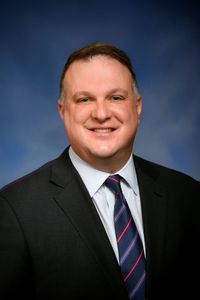
Current leadership of key offices


Historical party control
Michigan Party Control: 1992-2026
Two years of Democratic trifectas • Fourteen years of Republican trifectas
Scroll left and right on the table below to view more years.
| Year | 92 | 93 | 94 | 95 | 96 | 97 | 98 | 99 | 00 | 01 | 02 | 03 | 04 | 05 | 06 | 07 | 08 | 09 | 10 | 11 | 12 | 13 | 14 | 15 | 16 | 17 | 18 | 19 | 20 | 21 | 22 | 23 | 24 | 25 | 26 |
|---|---|---|---|---|---|---|---|---|---|---|---|---|---|---|---|---|---|---|---|---|---|---|---|---|---|---|---|---|---|---|---|---|---|---|---|
| Governor | R | R | R | R | R | R | R | R | R | R | R | D | D | D | D | D | D | D | D | R | R | R | R | R | R | R | R | D | D | D | D | D | D | D | D |
| Senate | R | R | R | R | R | R | R | R | R | R | R | R | R | R | R | R | R | R | R | R | R | R | R | R | R | R | R | R | R | R | R | D | D | D | D |
| House | D | S | S | R | R | D | D | R | R | R | R | R | R | R | R | D | D | D | D | R | R | R | R | R | R | R | R | R | R | R | R | D | D | R | R |
Legislative party competitiveness score
The below chart shows the state's legislative party competitiveness score from 1880 to 1990. According to Gerald Gamm and Thad Kousser's study on party competition and policy outcomes, "This measure of competitiveness can range from 100% if the two parties are evenly matched to 0% if one party holds every seat in a legislature."[1]
See also
- Michigan
- Gubernatorial and legislative party control of state government
- Who runs the states
- Who runs the states, Michigan
Footnotes

 |
State of Michigan Lansing (capital) |
|---|---|
| Elections |
What's on my ballot? | Elections in 2026 | How to vote | How to run for office | Ballot measures |
| Government |
Who represents me? | U.S. President | U.S. Congress | Federal courts | State executives | State legislature | State and local courts | Counties | Cities | School districts | Public policy |
| ||||||||||||||||